FSSAI License in Chhattisgarh: Process & Fees
Chhattisgarh's food economy doesn't look like one thing. You've got roadside eateries along NH130, mid-sized processing units around Bhilai, and a fast-growing millet sector that the state government has been pushing hard since the Chhattisgarh Millet Mission launched in 2021. Every one of these businesses needs licensing, but not the same kind.
A tiffin service and a rice mill exporting to three states don't file under the same category, and getting that wrong at the start costs you time later. This is where fssai chhattisgarh applicants usually go wrong first: picking a category without checking turnover or business scope against what the law actually requires.
What Does a Food Business Need Before It Can Operate in Chhattisgarh?
The Food Safety and Standards Act, 2006 requires every food business in the country to hold either a registration or a licence, and Chhattisgarh follows the same national framework the FSSAI administers everywhere. What differs locally is enforcement pace. Raipur's food safety office has run stricter inspection drives on street food vendors and small processing units since 2022, partly tied to the state's push toward formalising its millet and forest-produce supply chains.
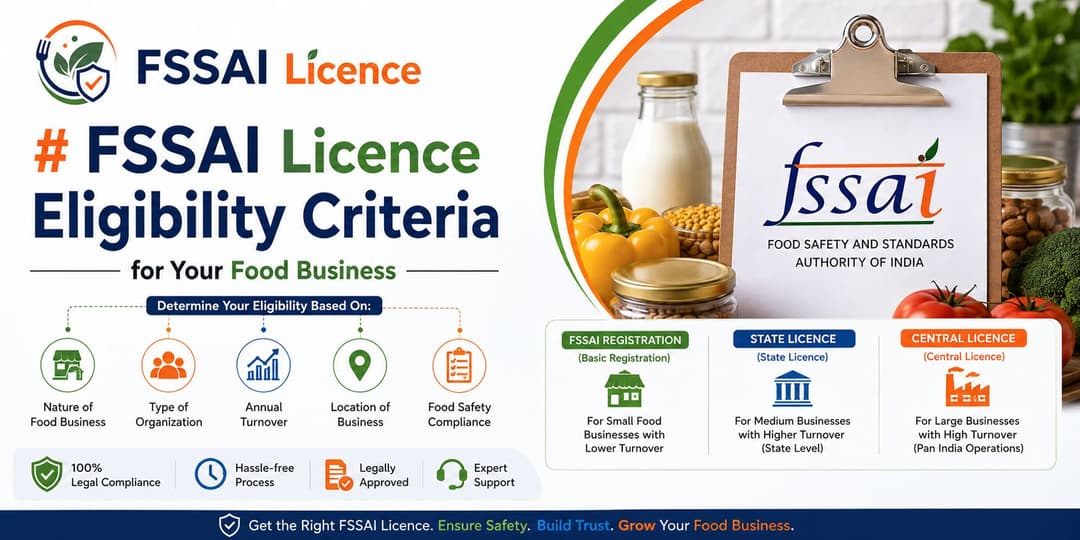
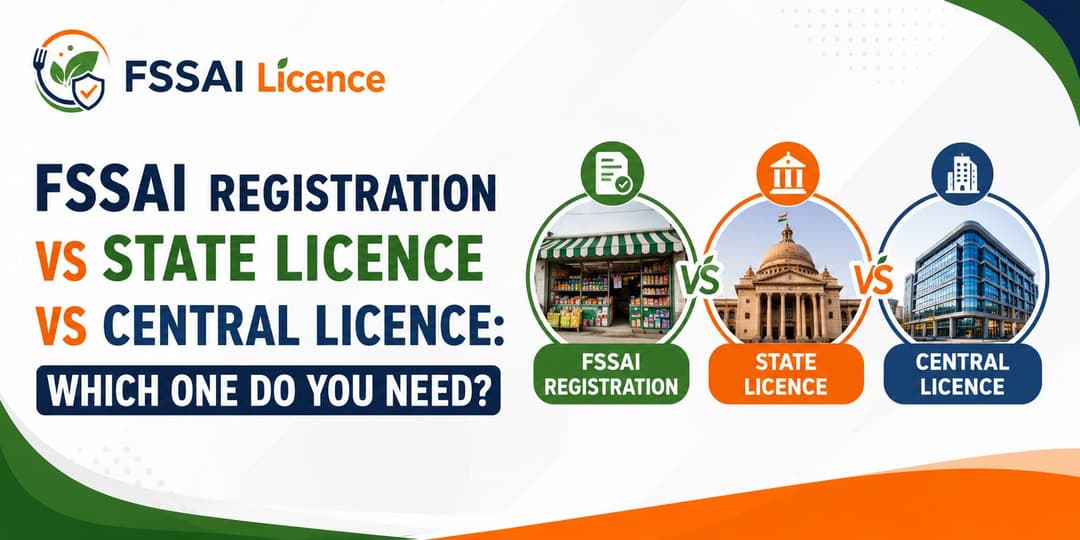
A fssai license chhattisgarh authorities issue isn't a one-size document. It comes in three tiers, and your turnover, business type, and scale decide which one applies to you.
Why Should You Sort This Out Early?
Operating without a licence isn't a minor paperwork gap. Under the FSS Act, running a food business unlicensed can attract penalties running into lakhs, and repeat violations invite closure orders. Beyond the legal risk, a Chhattisgarh food licence number on your packaging or storefront is what buyers, distributors, and government canteens actually check before doing business with you.
Getting registered early also means:
You can legally supply to institutional buyers, schools, and government canteens that require a verified licence number before onboarding vendors
You avoid last-minute rejection at export checkpoints if you're shipping processed millets or forest produce outside the state
You build a compliance record that makes renewal and category upgrades faster later
If your operation involves manufacturing packaged food rather than just selling it, a separate Central FSSAI Licence may apply depending on your production volume, and that's worth checking before you assume state-level registration covers you.
Which Category Should You Choose to Register Under?
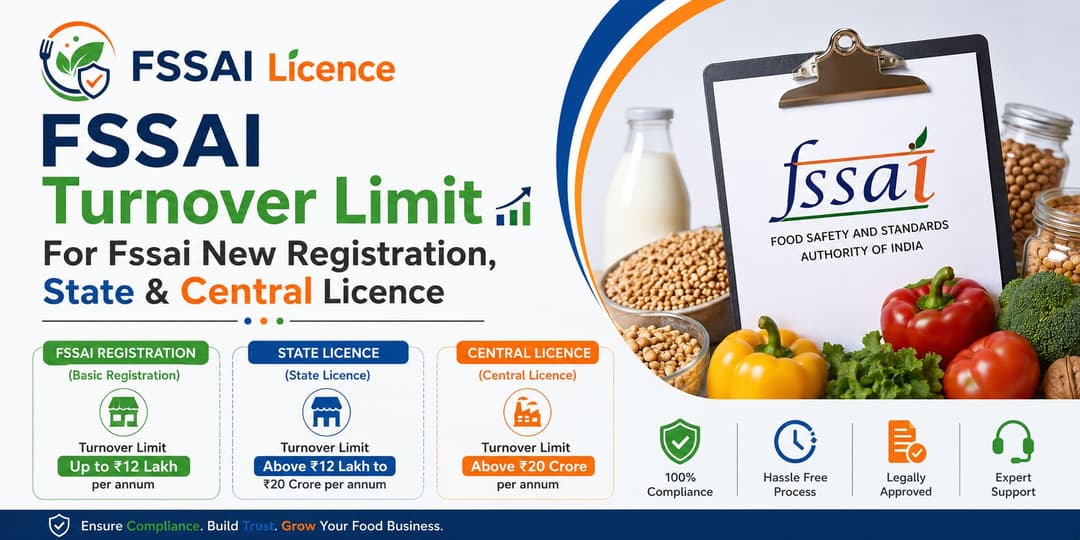
FSSAI splits registration and licensing into three tiers, decided mainly by turnover. Basic FSSAI Registration covers small food businesses with annual turnover up to INR 1.5 crore, including petty operators, small manufacturers, home-based food sellers and street vendors. State FSSAI Licence applies once turnover crosses INR 1.5 crore and stays under INR 50 crore, covering most mid-sized restaurants, hotels, dairies and food manufacturers across Chhattisgarh. Central Licence kicks in above INR 50 crore turnover, and also applies to certain importers and exporters regardless of scale. These thresholds have been in effect for new applications since 1 April 2026.
What Documents Will You Need to Apply?
Documentation changes slightly depending on which tier you're filing under, but a few things stay constant across all three. You'll need proof of your business address, identity proof for the owner or partners, and a layout plan if you're running a manufacturing or processing unit rather than pure retail.
Passport-size photograph and government ID of the applicant
Proof of premises, whether owned or rented, including a rent agreement where applicable
List of food products you intend to manufacture, sell, or store
Water testing report, mandatory for manufacturing units drawing groundwater
Partnership deed or incorporation certificate, where the business isn't a sole proprietorship
Manufacturers exporting processed millets or forest-based products outside Chhattisgarh should also look into an FSSAI Licence upgrade to central category well before their turnover crosses the threshold, since retrofitting a licence mid-year holds up shipments.
How Does the Application Process Work?
If you want to complete your registration, you need to follow these steps meticulously. Skip or rush any of them, and you risk delays, rejection, or fines.
Identify your group according to your turnover and the type of business
Create an account on FoSCoS and provide details about your business and location
Upload necessary documents according to your tier
Pay the required government charges
Wait for the respective officer to evaluate your application
Reply to any questions or clarifications asked by the department
Once approved, get your license number and certificate.
Businesses that apply through FSSAI registration Chhattisgarh offices encounter delays due to the mismatch of premises documents with the address in the application.
What Does It Cost You?
Government fees are fixed by FSSAI centrally and vary by tier and licence duration, not by which Chhattisgarh district you're filing from.
Cost Component | Charges |
|---|---|
Professional Fee | INR 1999 onwards |
A food licence CG applicant renewing a multi-year licence usually pays less annually than someone renewing yearly, so plan your validity period around how stable your business scale looks over the next few years.
How Long Does Approval Actually Take?
Basic registrations typically clear within seven working days if documentation is clean. State and Central licences take longer, usually 30 to 60 days, since these involve a physical or virtual inspection before approval. A CG food licence application flagged for missing water testing reports or incomplete layout plans adds weeks to this timeline, so getting documents right the first time matters more than filing fast.
Penalties For Missing Renewal
Licences run for a period you choose at the time of application, usually between one and five years. Once that period ends, you need to renew before expiry, not after. Continuing to operate on an expired FSSAI CG licence counts as operating unlicensed, with the same penalty exposure as never having registered at all.
A CG FSSAI business that lets renewal lapse also risks losing its licence number history, which institutional buyers sometimes check before renewing contracts.
Why Work With FSSAILicence.com?
Our experienced team handles FSSAI Raipur applications and filings across the rest of Chhattisgarh the same way, matching your category to your actual business scale before anything gets submitted. Our team manages document preparation, portal filing, and follow-up queries so approval doesn't stall over avoidable paperwork gaps.
Establish if Basic, State or Central Licensing applies to your revenue
Make sure you prepare all official documents on water analysis, design and ownership the right way
Submit your application with FoSCoS and monitor its status until it is approved
Handle your renewals well in advance of the expiry date so that you do not end up using an expired licence.