Himachal Pradesh's food economy splits into two very different worlds. One is the tourist-facing side, dhabas on the Manali highway, bakeries in Shimla's Mall Road area, and apple processing units scattered through Kullu and Shimla districts.
The other is industrial, centred almost entirely on Baddi in Solan district, one of India's largest pharmaceutical and nutraceutical manufacturing clusters. Both answer to the same fssai himachal pradesh framework, but what regulators actually scrutinise differs sharply depending on which side of that divide your business sits.
What Does This Approval Actually Cover?
Approval under the Food Safety and Standards Act, 2006 authorises you to manufacture, store, distribute or sell food commercially anywhere in the state. Once cleared, your establishment carries a 14-digit licence number, the identifier food safety officers check first during any inspection of food licence in himachal pradesh, whether that's a routine visit to a roadside dhaba or a scheduled audit of a Baddi production facility.
A fssai license himachal pradesh certificate isn't interchangeable with a drug manufacturing licence, even for businesses straddling both categories. Nutraceutical and health supplement makers in particular need to be clear about which regulatory framework actually governs their specific product, since the two overlap in ways that catch manufacturers off guard.
Why Baddi's Manufacturing Base Changes What's at Stake
Baddi isn't a typical food manufacturing town. It's become one of the country's biggest hubs for pharmaceutical and nutraceutical production, and that concentration has drawn targeted national scrutiny. FSSAI directed its Regional Office North to launch a dedicated surveillance drive specifically against spurious health supplements manufactured in the area, inspecting facilities and lifting over a hundred samples in a single coordinated push, with a significant share of the region's nutraceutical units flagged for inspection.
For a food licence Himachal Pradesh manufacturer operating in this category, that context matters. An FSSAI Licence covering a health supplement or nutraceutical product line sits under closer watch here than the same category would in a state without Baddi's manufacturing density, and getting classification and labelling right at the application stage avoids drawing exactly the kind of attention this ongoing drive has been built to catch.
Who Across Himachal Needs to Hold One?
If you manufacture, pack, store, transport, distribute or sell food for money anywhere in the state, this applies to you. That covers Shimla's cafes and bakeries, Kullu-Manali's tourist-season dhabas and food trucks, apple juice and processing units across the fruit belt, and Baddi's pharmaceutical-adjacent food and nutraceutical manufacturers.
District-level enforcement has stayed active well beyond Baddi, too. Sirmaur's Food Safety Advisory Committee reported 5,516 licences and registrations issued to date, alongside 32 food business operators fined roughly Rs 5.5 lakh in a single financial year for selling adulterated food. Fssai registration Himachal Pradesh applicants in smaller districts shouldn't assume enforcement intensity tracks only with Baddi's industrial scale.
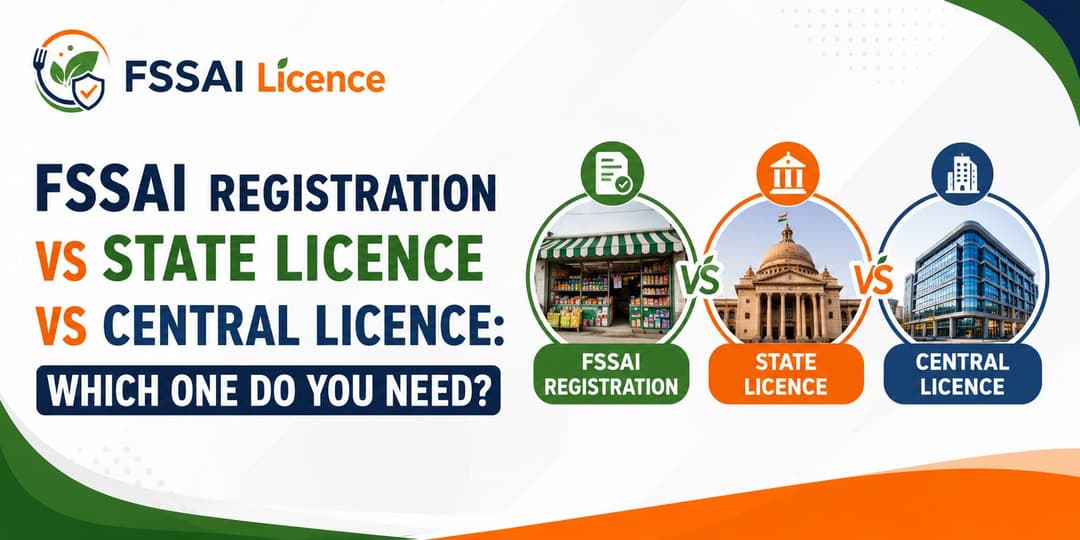
Which Category Fits Your Turnover?
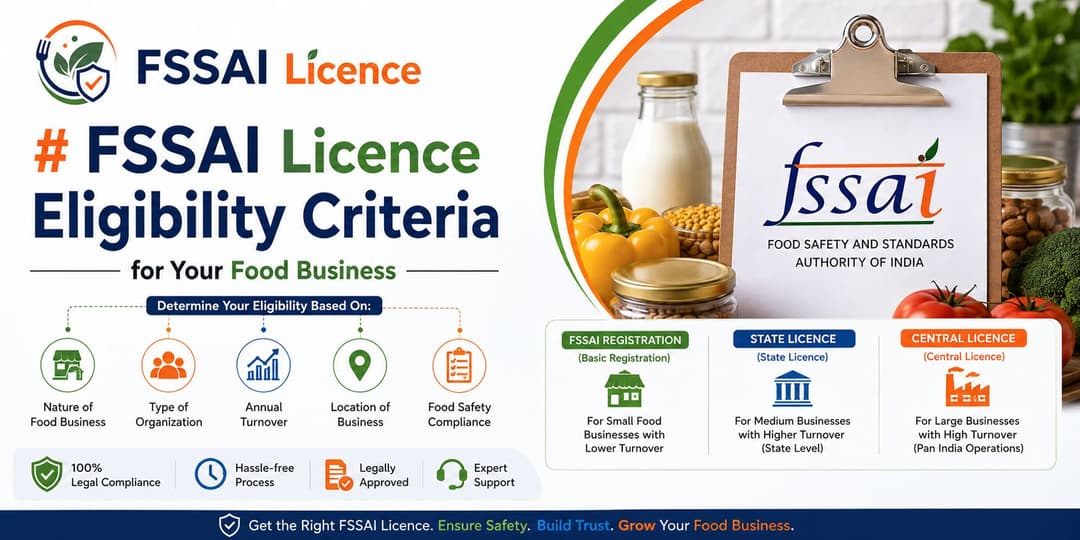
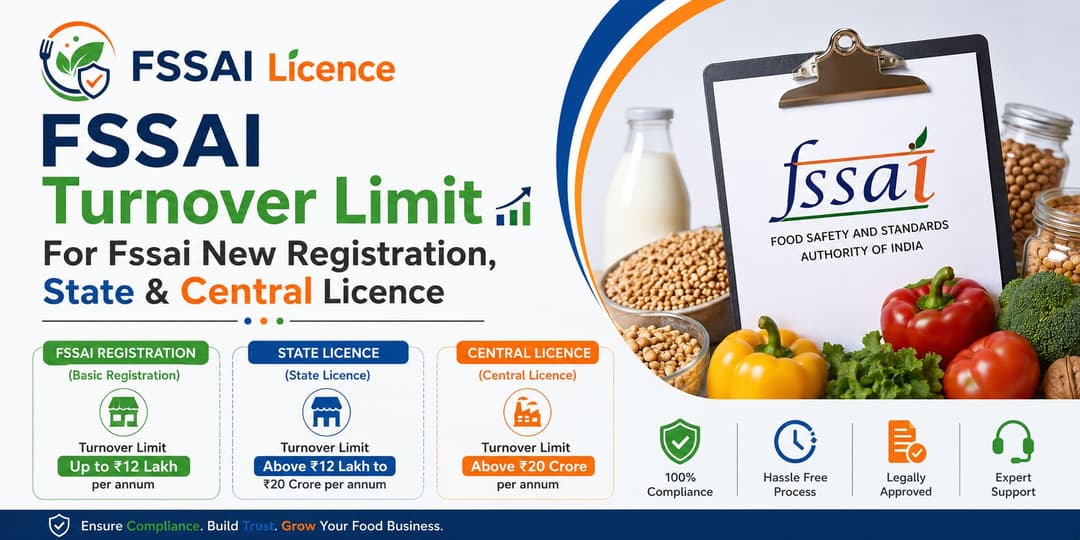
FSSAI revised its turnover thresholds nationally effective 1 April 2026, and Himachal Pradesh businesses fall under the same three-tier structure used across the country.
Basic Registration covers turnover up to INR 1.5 crore, which takes in most small stalls, home-based sellers, and petty manufacturers
A State FSSAI Licence applies once turnover crosses INR 1.5 crore and stays under INR 50 crore, covering most restaurants, bakeries, and mid-sized processing or bottling units
A Central FSSAI Licence applies above INR 50 crore turnover, and separately to importers, exporters and large manufacturers, a category several of Baddi's larger nutraceutical and food-adjacent manufacturers fall into given their production scale
What Should You Prepare Before Applying?
What you'll gather depends on your category and, for manufacturers, on how closely your product sits to the nutraceutical or health supplement space.
Document | Who Needs It |
|---|---|
Government ID and photograph of the owner | Every applicant, all categories |
Premises proof (rent agreement or ownership document) | Every applicant, all categories |
List of food products manufactured or sold | Every applicant, all categories |
Facility layout plan | State and Central Licence applicants |
Water testing report | Manufacturing and processing units |
Product composition and labelling details | Nutraceutical, supplement and health-product manufacturers specifically |
Partnership deed or incorporation certificate | Companies, LLPs and partnerships |
Nutraceutical and supplement manufacturers in Baddi should treat the labelling and composition documentation with particular care given the current surveillance climate, since this is precisely where FSSAI HP recent drive has focused its attention.
What's the Application Process?
Completing your approval means following every step below in order. Skip a step or file with mismatched details, and you risk rejection or a penalty notice for trading unlicensed once your business is already running.
Work out your category based on turnover and business activity
Create your account and enter business and premises details
Upload documents matching your category
Pay the applicable government fee
Respond to any query the designated officer raises
Receive your licence number and certificate once cleared
FSSAI Himachal applicants in Baddi specifically should expect closer review of product composition details during this process than a straightforward restaurant or retail filing would face, given the sector-specific scrutiny the region currently carries.
What Will It Cost You?
Government fees are fixed by FSSAI nationally and depend on your category and chosen validity period, not on which district of Himachal Pradesh you're filing from.
Component | Applicable Amount |
|---|---|
Professional Fees | INR 1999 onwards |
A longer validity period chosen upfront costs more initially but spares an established business from refiling every year, worth weighing against how settled your operation already is.
How Long Does Approval Take?
Basic Registration typically clears within about a week given clean documentation. State and Central licences take longer, generally four to eight weeks, since these require a premises inspection before approval. Food license HP applicants in the nutraceutical category specifically should expect this timeline to run on the longer end right now, given how actively that sector is being reviewed.
What Does Renewal Involve?
Renewal isn't automatic, and that's where established businesses most often slip. You apply before your certificate's printed expiry date, not after, and continuing to trade on a lapsed approval counts as operating unlicensed, carrying the same penalty exposure as never registering at all.
HP FSSAI holders with operations spanning tourist-season businesses and year-round manufacturing units should track each location's renewal date independently, since a seasonal dhaba's certificate and a Baddi production facility's licence rarely share the same validity calendar.
Why Choose FSSAILicence.com?
Food safety compliance here splits across two genuinely different business environments, and getting either one wrong carries real cost.
Your correct category, Basic, State or Central, gets confirmed against actual turnover and business activity before anything is filed
Nutraceutical and supplement manufacturers get labelling and composition documentation prepared to withstand the scrutiny Baddi's current enforcement climate has made routine
Your application gets filed and tracked through to approval
Renewals get managed well ahead of expiry, so you're never caught operating on a lapsed licence