Arunachal's food trade is spread thin. A tea shack on the road to Tawang, a homestay kitchen in Ziro, a bakery in Naharlagun and a wholesale store in Itanagar can be hours of mountain driving apart, yet all of them answer to the same law. If you sell food for money, you need approval. What changes from place to place is who you deal with and how far away they are.
What Does Approval Mean in Arunachal Pradesh?
Approval is permission under the Food Safety and Standards Act, 2006 to make, store, carry, or sell food for money. The state's Commissioner of Food Safety, who sits in the health department at Itanagar, leads the system.
A food license Arunachal Pradesh certificate carries a 14-digit number. It belongs on your counter, your packs and your bills, and officers match it against what you actually sell.
Who Actually Handles Your File Here?
Not always who you'd expect. FSSAI's own 2019 fact sheet listed 25 districts but only one full-time Designated Officer, for the capital district of Papum Pare. In the other districts, 21 District Medical Officers had been notified to do the job alongside their health duties.
That arrangement is years old, so check who holds the role in your district before you file. It matters in practice. A doctor running a district health office is also approving licences, so a complete, correct file is easier for a busy office to clear than one that needs three rounds of questions. The same sheet showed no state food lab and no food analyst, with the Assam public health lab in Guwahati notified to do the testing. Lab work may not be close to home, so plan for that.
Does Your Homestay, Dhaba or Stall Count?
Yes, if it sells food for money. A homestay that serves meals is a food business, and so is the dhaba on the road to Bomdila, the momo stall near a Ziro festival ground, and the kiosk at a trekking base. If meals are part of what a guest pays for, treat yourself as a food business.
The same goes for the village shop that resells biscuits, noodles, and packaged drinks. Many of these sit in the lightest tier, which the tier section below explains.
How Are Checks Carried Out in the Districts?
Mostly by officers who travel. In Tawang district, a team led by a Food Safety Officer has run a three-day drive in which shops were checked for valid licences and expired stock, awareness sessions were held for food businesses, and licences were issued and renewed on the spot. Inspect, educate and register in one trip is typical of a small team covering a big area.
The numbers show the scale. In 2018-19 the state collected 291 enforcement samples, against 2,671 licensed and 7,282 registered businesses in FSSAI's 2019 count. In April 2021, the Governor asked FSSAI to open an office in the state and to train food entrepreneurs, which tells you where officials themselves saw gaps. A visit, when it comes, will likely check two things first: whether your certificate is on display and whether your stock is in date.
Which Category Fits Your Turnover?
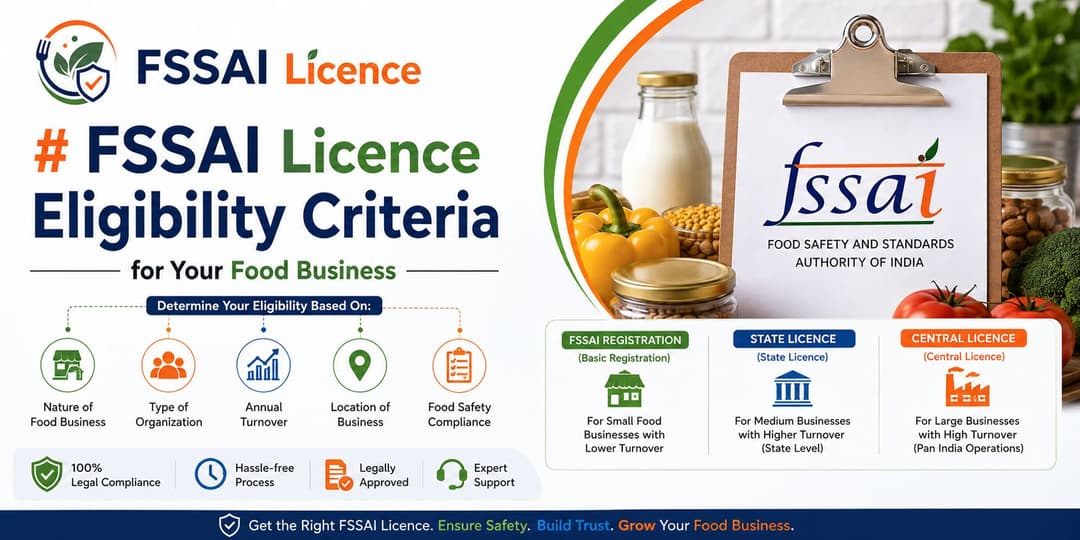
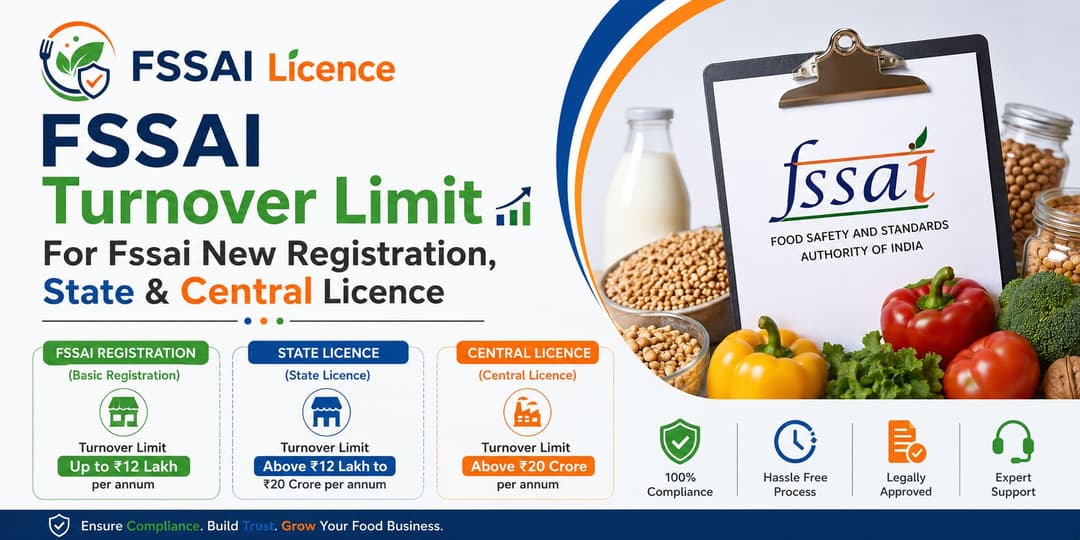
Turnover decides the tier, and the slabs changed for new applications from 1 April 2026. Pages written earlier still quote the old INR 12 lakh limit, so check the date before you trust a figure. Most businesses in the state are small, so most land in the first tier.
Up to INR 1.5 crore a year: a Basic FSSAI Licence, which in practice means Basic Registration. Village shops, tea stalls, homestay kitchens and home bakers sit here.
INR 1.5 crore to INR 50 crore: a State Licence, with an inspection before approval. Restaurants, hotels and packaged-food makers fall in this band.
Above INR 50 crore, plus importers: a Central Licence.
If a hotel's restaurant, room service and catering all run through one business, count them together before you choose.
Which Documents Do You Need to Prepare?
Your papers fall into three groups, depending on who has to produce them. Sorting them this way shows you what you can finish today and what needs a phone call, a visit or a lab slot. Start the slow ones first.
Documents you prepare yourself
You control these, so finish them early. Each takes an afternoon at most.
Owner's photo ID and a passport-size photograph
A list of the food items you make, store, or sell
A layout plan, for processors and State or Central applicants
A Food Safety Management System plan, for State and Central applicants
Partnership or incorporation papers, if you file as an entity
Documents someone else must issue
This group depends on other people's time.
Premises proof: a rent agreement, a sale deed, or the owner's consent. If you operate from a family house or a leased plot, the owner's letter is often the slow item.
Papers a lab must produce
Book this one first, since a lab may be far away.
A water test report, where water goes into the food
How Do You Complete the Application?
Approval only counts once every step is done. Skip one, or file details that don't match your papers, and you risk a returned file or a notice for trading without approval. Here's the order of work.
Add up last year's turnover and list what you really sell
Pick Basic Registration or a licence from that
Sign in to FoSCoS and choose the kind of business that matches you, such as a retailer, a caterer, or a manufacturer.
Copy your address from your premises proof, character for character
Upload your papers and pay the fee for the validity you want
Answer every question from the district office before the deadline
Get ready for a visit if you applied for a licence
Download the certificate and show the number on your counter, packs, and bills
Two things trip up remote applicants: slow connections and scans that are blurry or too large. Scan in daylight, keep each file small, and save the acknowledgment number before you close the page.
What Are The Fees For Registration?
Government fees are set by FSSAI per year of validity and differ by tier and activity, so no single figure fits everyone, and they change. A longer validity costs more upfront and spares you annual refiling, which counts for more when the nearest office is a long drive away. A Central FSSAI Licence costs more and applies mainly to importers and large manufacturers.
Component | Applicable Amount |
|---|---|
Professional Fees | INR 1999 onwards |
Check what a quote covers. The government fee, the professional fee, and the lab test are three separate lines.
How Long Does Approval Take?
Basic registration is meant to come through within seven days of a complete file. A State FSSAI Licence has a 60-day window, because an officer inspects first. In a state with few officers and long distances, the inspection is usually the slow part, so file early, answer queries quickly, and keep your premises ready for the first visit.
What Happens at Renewal?
Renewal isn't automatic. Start it from your FoSCoS login and finish before the expiry date printed on your certificate. Trading on an expired licence counts as trading without one, and Section 63 of the Act is the provision that applies.
Put the date in your phone the day the certificate arrives. If you run more than one premises, track each date separately.
Why Choose FSSAILicence.com?
Applicants in Arunachal deal with long distances and busy district offices, so a clean first filing matters. FSSAILicence.com handles the tier, the papers, and the follow-up. Here's what that covers.
Your tier gets checked against turnover and real activity before filing
Papers get sorted by who issues them, with the slow ones started first
Scans get checked for clarity and matching addresses before upload
District office queries get answered inside the window
Renewal dates get tracked per premises, with early reminders